
Can Workplaces, Classrooms, and Pedagogies Be Disabling?
In a special disability-focused issue of the journal, multiple theories and perspectives on accessibility in teaching and learning, and in the workplace, are explored. Oswal’s introduction offers a concise summary of the articles, grounding them in the historical, political and contemporary thinking on disability.

Technology Restrictions and Able Inconveniences
These experiences have been curated to offer diverse glimpses into how learners with disabilities experience inaccessibility in education. (10 min)
Students with Disabilities as Partners in User Testing
This case study makes a unique contribution by delving into the ethics of digital accessibility testing in post-secondary education. It offers a Disability Justice informed, disabled-learner-centred model for participation that could be replicated by researchers and those involved in the development, testing and procurement of educational technology in post-secondary.
- Digital Accessibility in Praxis | Disability Justice, Digital Justice and Ethics in Digital Accessibility
Reframing Digital Accessibility in Post-Secondary Education For Educators
This brief paper illustrates what facets of digital accessibility are relevant for educators, and introduces the concept of “accessible digital content literacy skills,” skills specifically related to reading, identifying, curating, and writing/creating accessible digital content.
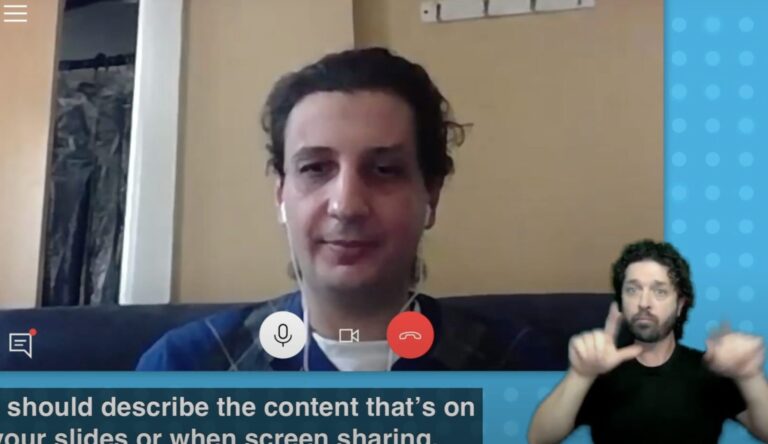
Video: What makes a video conferencing environment feel like an inclusive space?
In this video, people with diverse experiences of disability share practices that help them to perceive, understand and engage with others in the video conferencing environment. (3 min read, 9 min video)
Provocations: Individualized accommodations for digital accessibility issues pull disabled learners out of community.
An individual learner may experience digital inaccessibility in learning environments, activities, materials and assessments, all within their learning community.
- Book Club | Disability Justice, Digital Justice and Ethics in Digital Accessibility | Post-Secondary Reading Rooms
A Disability Justice Primer
This is a foundational text from the Disability Justice movement and a must read.
Improving Accessible Digital Practices in Higher Education
This book is a compendium of contemporary thinking and scholarship on the past, present and future digital practices in post-secondary education relative to learners with disabilities.
Care Work: Dreaming Disability Justice
Is teaching care work? A pathway to social justice? This book isn’t specifically about either education or digital accessibility but it is a raw, evocative work that dives into lived experiences of care and support within (and without) the disability community. It’s relevance here is as a foundational text on Disability Justice.
Accessible Pedagogy is Not Just UDL
This easy-to-digest podcast outlines things educators need to consider when thinking about what makes a learning environment or a pedagogical approach accessible in post-secondary.
Chronic Illness and Academic Accommodation
Jung is adept at pointing out how academic accommodations fall short of delivering equitable learning experiences. This is one of the very few academic papers that looks at the experiences of learners with chronic illness in post-secondary.
Integrating Citations From Zotero Into WordPress With Zotpress, Critically?
This post looks briefly at the accessibility of Zotpress, then takes a step back to raise questions about the digital accessibility of common citation practices in academic publishing. (10 min)